
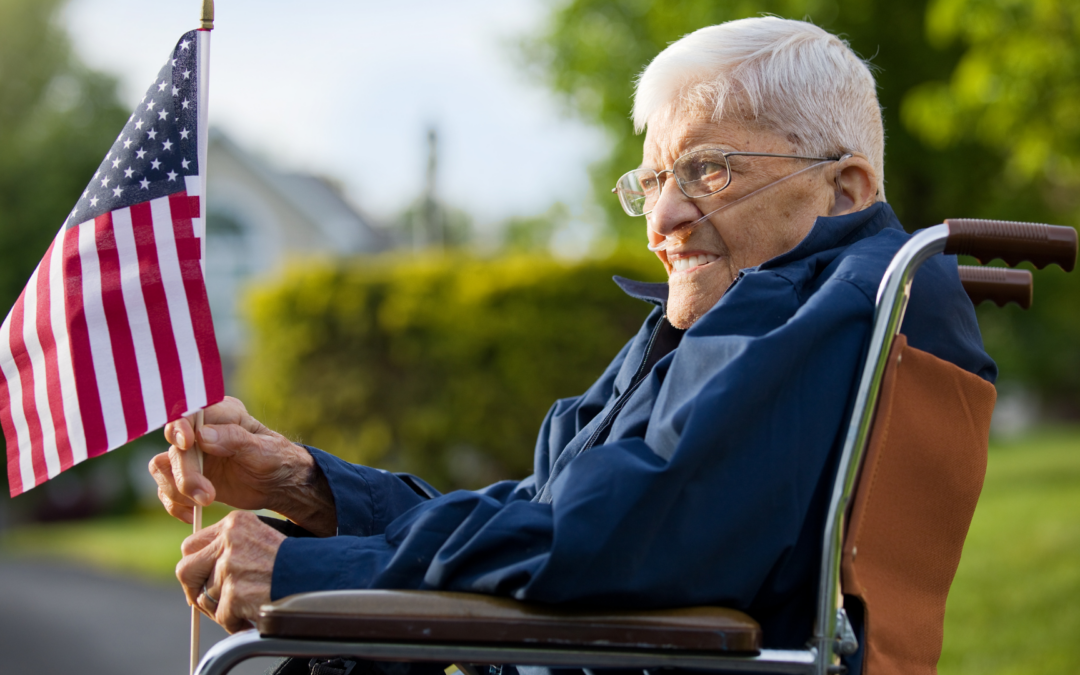
Veteran home care in Columbia, SC can help older former service members continue living in familiar surroundings while receiving assistance with everyday needs such as personal care, meals, transportation, companionship, and household routines. Fall is a practical time to review whether those needs have changed during the year. Families do not have to sort through every option alone. RetireEase Veterans’ Home Care helps Midlands families explore available home care options and understand how eligible veterans or surviving spouses may be able to use VA supported benefits for care at home.
Why Fall Is a Good Time for a Veteran Home Care Checkup
September and October offer a natural point to assess what has changed before holiday schedules, colder weather, and year end family travel complicate caregiving. Families can use this time to review mobility, meal preparation, hygiene, medication routines, transportation, household tasks, memory changes, and the amount of help relatives currently provide. A fall checkup is less about finding a problem and more about noticing where extra support could help a veteran continue living safely and comfortably at home.
Start With What the Veteran Needs Help With Today
Before exploring benefits, it helps to build a practical needs inventory covering bathing, dressing, grooming, mobility, meal preparation, light housekeeping, transportation, medication reminders, socialization, and supervision. RetireEase’s home care for veterans in Columbia, SC includes many of these daily supports, and care can be adjusted as needs increase over time through Senior Home Care. Families managing several needs at once, or coordinating care for a veteran with more complex health conditions, may find it useful to read How Integrated Home Care Supports Complex Senior Needs.
Understand the Difference Between VA Programs

Families often use the phrase VA home care benefits South Carolina families search for as a general term, even though different VA programs have different eligibility rules, purposes, and authorization processes. VA health care and Home and Community Based Services can include Homemaker and Home Health Aide services when authorized through VA health care. Aid and Attendance is an additional pension benefit for certain eligible veterans or surviving spouses. Separately, VA Caregiver Support programs exist for eligible family caregivers. Qualification for any of these is determined by the Department of Veterans Affairs, not by RetireEase, so families should confirm current requirements directly with VA.gov.
Could Aid and Attendance Help With Home Care Costs?
VA Aid and Attendance home care support is an additional monthly VA pension amount for certain eligible veterans and survivors who meet pension requirements and need help with daily activities, are housebound under qualifying circumstances, or meet other VA criteria. Receiving a VA pension, financial limits, service requirements, and care needs may all factor into eligibility, and no family should assume approval, a specific payment amount, or cost free care before confirming details with the VA.
Ask Whether Family Caregiving Is Still Sustainable
Caregiving arrangements that worked six months ago may no longer be enough. Families can watch for increasing evening supervision, missed work, frequent transportation requests, physical lifting, interrupted sleep, or one family member carrying most of the responsibility. These are common signs that additional support may be worth exploring, whether through private home care, VA authorized services, or a combination of both. Families thinking about introducing outside help for the first time may find it useful to read How to Help a Senior Transition to Home Care in Lexington, SC.
Gather the Information You May Need Before You Apply
Before applying for any VA related benefit, it helps to gather military service and discharge information, existing VA enrollment information, medical provider information, current care needs and limitations, household and caregiver circumstances, pension and financial records when applying for pension related benefits, and marriage or surviving spouse documentation when relevant. Requirements vary depending on the specific benefit being pursued, so families should confirm the exact documents needed directly through VA.gov before starting the process.
Make a Care Plan Before the Holiday Season Gets Busy

Holiday travel, family gatherings, schedule changes, and winter preparation can expose gaps in an older veteran’s routine that were easy to overlook during the summer months. Establishing transportation, meal support, personal care, respite coverage, and caregiver schedules before November and December can prevent a rushed decision later. Reviewing options now, while there is still time to plan calmly, tends to lead to a better outcome than waiting until a crisis forces the issue.
Frequently Asked Questions About Veterans Home Care
Can VA benefits pay for in-home care?
Yes, some eligible veterans may receive VA authorized home and community based services or qualify for pension related benefits that can help with care expenses. Eligibility varies based on the specific program, health or care needs, service history, financial requirements, and VA authorization. Families should confirm available options directly through VA.gov.
What does veterans home care include?
Non medical veterans home care may include assistance with bathing, dressing, grooming, meals, medication reminders, light housekeeping, transportation, companionship, mobility, errands, and other daily activities. The exact care plan should reflect the veteran’s needs and any services authorized by the VA or arranged privately by the family.
What is VA Aid and Attendance?
Aid and Attendance is an additional monthly amount that may be added to a qualifying VA pension for eligible veterans or survivors who meet specific care related requirements. It is not a separate stand alone pension. Applicants must meet VA pension eligibility requirements as well as additional Aid and Attendance criteria.
Can a surviving spouse qualify for veterans home care benefits?
Some surviving spouses may qualify for VA survivor pension with Aid and Attendance or other support when they meet applicable service, marriage, financial, and care requirements. Eligibility varies by program and individual circumstances, so families should verify current requirements directly with the Department of Veterans Affairs before making financial assumptions.
When should an older veteran start home care?
Home care can begin before a major crisis occurs. Families may consider additional help when personal care, meals, transportation, mobility, medication routines, housekeeping, or staying alone become increasingly difficult. Starting with a few specific tasks can make the transition easier while allowing the veteran to retain control over daily life.
Does receiving veterans home care mean moving out of the home?
No. The purpose of in-home care is generally to provide assistance where the veteran already lives. Depending on individual needs and eligibility, care may support personal routines, meals, mobility, transportation, companionship, and household activities so the veteran can continue living at home for as long as it remains appropriate.

Use Fall to Understand Your Options
Veterans and their families should not have to wait for an emergency to find out what help may be available. A fall care review can clarify what has changed, which daily responsibilities are becoming difficult, how much family caregivers are managing, and which VA programs are worth exploring. Start by reviewing RetireEase Veterans’ Home Care and the broader RetireEase Senior Services available across Greater Columbia and the Midlands. RetireEase can help families discuss care needs and explore available options while the Department of Veterans Affairs determines eligibility and authorization for VA funded benefits.