

Not every memory lapse means dementia but subtle changes in thinking, attention, and balance can be early warning signs that a senior needs more support at home. During Brain Awareness Month, many Columbia families are quietly asking the same questions: Is Mom just forgetful, or is something more going on? Why is Dad suddenly less steady on his feet?
This article explores how early cognitive changes show up in day-to-day life, why brain health and fall risk are closely connected, and what families can do before there’s a formal diagnosis. We’ll also look at how RetireEASE Senior Service in Columbia and Lake Wateree, SC, can make home safer, calmer, and more supportive for everyone.
Why Brain Awareness Matters for Seniors Aging at Home
Brain Awareness Month highlights something many families already sense: brain health is just as important as heart health, mobility, and nutrition as people age.
Small changes in memory or attention can appear gradually. Some are a normal part of aging, while others may suggest a condition known as mild cognitive impairment (MCI). MCI describes a stage between normal aging and dementia where thinking skills change more than expected for someone’s age but do not yet interfere severely with daily life.
Because these shifts can be subtle, families often notice them during everyday activities. A parent may repeat the same question several times in one evening, misplace items more frequently, or seem more distracted while walking through the house.
Recognizing these changes early allows families to improve safety at home, support healthy routines, and discuss concerns with healthcare providers before problems escalate.
Early Cognitive Changes Families Often Notice
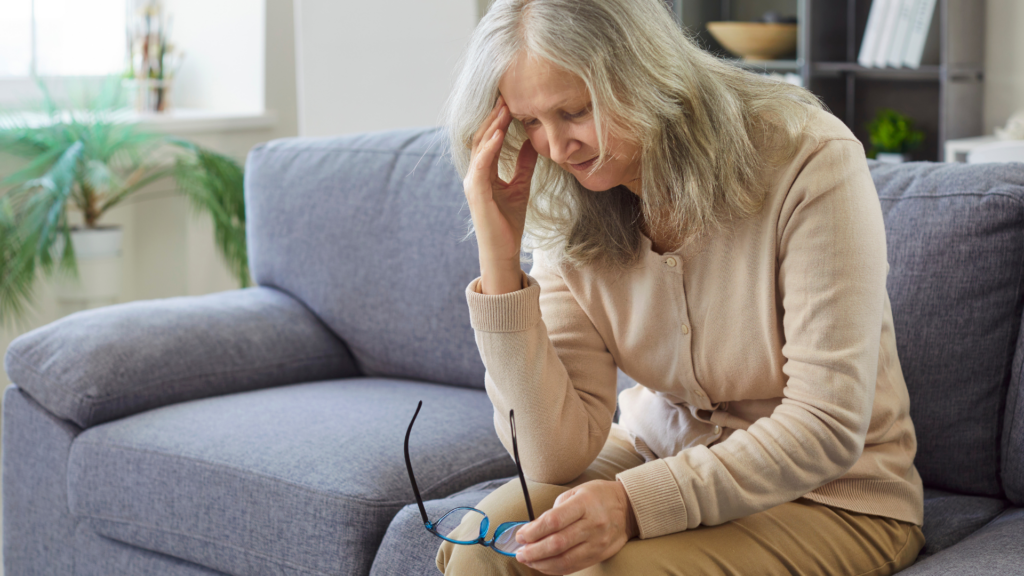
Early cognitive changes rarely appear all at once. Instead, they show up as small patterns that become more noticeable over time.
Families commonly report things like:
- Forgetting recent conversations or appointments more often than peers
- Struggling to follow the plot of a television show or manage multi-step tasks like cooking a familiar recipe
- Losing everyday items in unusual places such as keys in the refrigerator or bills placed in random drawers
- Having more difficulty finding the right words or following conversations in group settings
- Showing changes in judgment, such as falling for scams, paying bills twice, or making risky decisions
These signs do not automatically mean dementia. Only a healthcare provider can determine whether these symptoms relate to normal aging, mild cognitive impairment, depression, medication side effects, or another medical condition. The purpose of noticing these changes is awareness and early support, not diagnosis.
How Brain Changes and Falls Are Connected
Families often first notice physical changes before cognitive ones. Comments such as “she seems more unsteady lately” or “he’s tripping more often” are common.
Research has shown that cognitive changes can increase fall risk in older adults. Memory, attention, reaction time, and judgment all influence how safely someone moves through an environment.
When thinking processes slow down or become distracted, everyday situations can become more dangerous. A senior might misjudge the height of a step or curb, increasing the chance of a stumble. Someone distracted by a conversation may not notice a loose rug or a pet moving across the floor.
Planning safe routes through cluttered spaces also becomes harder when attention or problem solving skills change. Even something simple like navigating around a chair or stepping over an extension cord can create risk.
Because of this connection, falls sometimes become one of the earliest visible signs that something in the brain or body has changed.
Practical Ways to Support Brain Health and Prevent Falls at Home
Families can take meaningful steps to support both brain health and safety long before a formal diagnosis occurs.
Some simple but effective steps include:
- Keeping notes about memory or balance changes with dates and examples to share with a doctor
- Improving lighting in hallways, staircases, and bathrooms to reduce trip hazards
- Removing clutter, cords, and loose rugs that could increase fall risk
- Installing grab bars in bathrooms and secure railings along stairways
- Encouraging doctor-approved physical activity such as short walks or gentle balance exercises
- Supporting brain health with regular sleep, hydration, hearing checks, and social interaction
If ongoing changes in memory, thinking, or balance appear, families should talk with a primary care provider who can help determine the next steps.
How RetireEASE Senior Care Services in Columbia Support Brain Health & Safety
When subtle changes begin appearing, many families find that professional support helps make daily life safer and more structured.
At home senior care services Columbia families rely on can help establish consistent routines that reduce confusion and support orientation throughout the day. Predictable schedules for meals, hydration, medications, and daily activities can help seniors stay on track while maintaining independence.
Care providers also assist with supervision during mobility and transfers, helping reduce fall risk and identify hazards around the home. In addition, companionship plays an important role in brain health. Conversation, hobbies, games, and community engagement help stimulate the mind and reduce isolation.
For families exploring options, RetireEASE offers support for those seeking home care for seniors in Columbia or senior support services Columbia SC residents trust.
Supporting Seniors Near Lake Wateree: Rural Brain Health and Falls

Many seniors living near Lake Wateree love the quiet surroundings and the ability to stay in a familiar home environment. However, rural living can also present unique safety challenges when balance or cognition begins to change.
Long driveways, steps near docks, and limited nearby services can increase risk if mobility or judgment declines.
RetireEASE Senior Service in Lake Wateree families depend on can provide support such as:
- Transportation to appointments in Camden or Lugoff
- Regular check-ins when family members live farther away
- Monitoring safety around steps, docks, and uneven outdoor surfaces
- Helping seniors maintain routines and daily structure
- Providing companionship to reduce isolation
Families exploring options for support near the lake can learn more here:
https://www.retireease.com/lake-wateree-home-care/
FAQs About Early Cognitive Changes, Falls, and Home Care
What are early signs of cognitive changes in seniors?
Early signs may include frequent forgetfulness, difficulty following conversations, misplacing items, or struggling with everyday tasks that used to feel routine. If patterns appear consistently, families may want to begin tracking changes and discuss them with a healthcare provider.
How are memory changes and falls connected in older adults?
Cognitive changes can affect attention, reaction time, and judgment. These factors influence how safely someone moves through a home environment and may increase fall risk if obstacles or distractions are present.
When should we talk to a doctor about memory and balance problems?
Families should consider contacting a doctor if changes begin happening regularly or interfere with daily routines. Keeping written notes about what is happening can help doctors evaluate the situation more clearly.
How can RetireEASE Senior Care Services in Columbia support brain health?
Support services may include routine reminders, companionship, mobility supervision, and help maintaining daily structure, all of which can reduce confusion and support mental engagement.
Can RetireEASE Senior Service in Lake Wateree help prevent falls?
Care providers can assist with mobility, monitor safety hazards, and provide regular supervision that helps reduce fall risks while allowing seniors to remain safely at home.

Recognizing Early Changes and Supporting Seniors at Home
Brain health changes rarely happen overnight. For many families in Columbia and around Lake Wateree, it starts with small moments, missed appointments, new unsteadiness on the stairs, or a loved one who just doesn’t seem quite like themselves. Paying attention to these early shifts can help you protect both brain health and safety at home before there’s a crisis.
If you’re noticing subtle changes in memory or balance, you don’t have to figure it out alone. RetireEASE Senior Services offers at-home senior care services in Columbia and Lake Wateree, SC, designed to support daily routines, reduce fall risk, and give families peace of mind. Call (803) 408-1500 to schedule a free in-home consultation and talk through what you’re seeing and how assistance may help.