
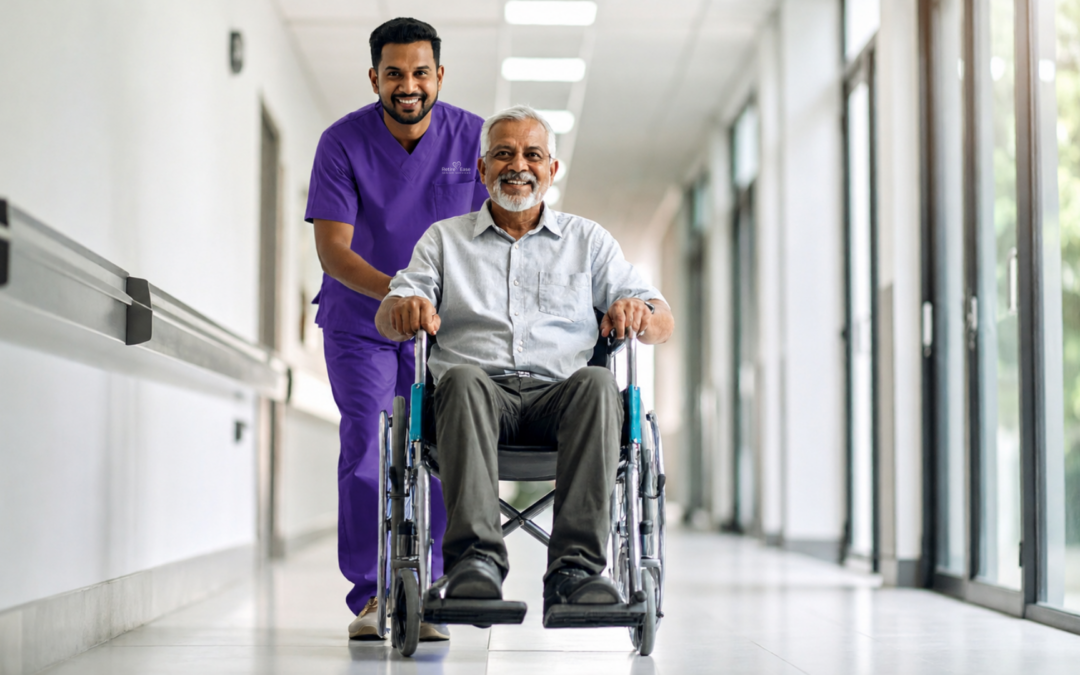
Quick Summary: A safe hospital-to-home transition starts before discharge. Sumter families should confirm written medical instructions, follow-up appointments, transportation, meals, mobility needs, home safety, and who will provide daily assistance. Non-medical home care can support established routines, but it does not replace skilled nursing or clinical care.
Planning hospital-to-home care in Sumter, SC can feel rushed, especially when a discharge date arrives before the family feels ready. Medical instructions, transportation, meals, mobility, household safety, and caregiver schedules must come together quickly. A written checklist can reveal practical gaps before the senior walks through the front door. Families can arrange home care in Sumter, SC to assist with non-medical needs such as personal care, meal preparation, mobility support, medication reminders, light housekeeping, and companionship. These services should follow the discharge plan and complement any skilled care ordered by the hospital or rehabilitation team.
Why the Hospital-to-Home Transition Requires Careful Planning
Hospital discharge is one of the most vulnerable points in an older adult’s recovery. A senior may come home with less strength than before, a new medication schedule, activity restrictions, and follow-up visits that need to happen on a tight timeline. New routines have to be learned quickly, often while the family is still adjusting emotionally to what happened during the hospital stay.
Gaps tend to appear when responsibilities are assumed rather than assigned. One family member may think another is handling prescriptions, while a third assumes someone has already scheduled the follow-up appointment. Sometimes a senior resists extra help altogether, even when the family can see the need. Involving the senior and the primary family caregiver directly in discharge discussions, rather than deciding everything on their behalf, tends to lead to a smoother transition and less resistance once everyone is home.
Before Discharge: Questions to Ask the Healthcare Team

Before leaving the hospital or rehabilitation facility, families should ask for written discharge instructions rather than relying on memory alone. A qualified clinician should walk through medication reconciliation, explaining what has changed, what has stopped, and what warning signs would call for a call to the doctor or a return to the hospital. Families should also confirm any activity restrictions, dietary instructions, equipment needs such as a walker or shower chair, and any therapy orders that need to be scheduled.
It is worth asking directly how follow-up appointments will be arranged and who is responsible for transportation, along with getting a specific phone number to call if a medical concern comes up after hours. Using the teach-back method, where a family member repeats the instructions back in their own words, can confirm that everyone actually understood what was explained rather than simply nodding along in a hurried conversation.
Prepare the Sumter Home for a Safer Return
A home that worked fine before hospitalization may not be as safe immediately afterward. Clear walkways free of clutter, adequate lighting in hallways and bathrooms, and commonly used items placed within easy reach can all reduce strain during the first few weeks home. Loose rugs should be secured or removed, and any bathroom safety equipment recommended by the care team, such as grab bars or a raised toilet seat, should be in place before the senior arrives.
Accessible seating, a working phone within reach, a written list of emergency contacts, and an unobstructed entrance round out a basic safety check. The Centers for Disease Control and Prevention offers general fall prevention guidance for older adults, though no amount of preparation can guarantee that every fall will be prevented. The goal is to reduce risk, not to eliminate it entirely.
Plan the First 72 Hours at Home
The first three days after discharge tend to set the tone for the rest of recovery. Families should decide in advance who will be present during that window, how meals and hydration will be handled, and who will pick up prescriptions if they were not filled before leaving the hospital. Transportation for any early follow-up visits should already be arranged rather than figured out at the last minute.
Discharge paperwork and follow-up instructions should be kept somewhere easy to find, not buried in a bag from the hospital. Any questions about symptoms, pain levels, or medication timing should go to the senior’s licensed healthcare team rather than being guessed at by family members. When a senior is recovering from something more involved, such as the guidance covered in post-cardiac event recovery at home in South Carolina, the first 72 hours often require closer attention to activity limits and symptom monitoring.
How Non-Medical Home Care Can Support Recovery Routines

Once the medical plan is in place, non-medical home care can help fill the gaps between clinical visits. A caregiver can assist with bathing, dressing, and grooming, prepare meals that match any dietary instructions, support safe mobility around the house, help with light household tasks, and provide transportation to follow-up appointments. Companionship also matters during recovery, since isolation can slow both physical and emotional healing.
These services work from the established plan set by the senior’s healthcare team rather than replacing it. If a family notices a parent resisting help altogether during this period, it may be useful to review the guidance on when a parent refuses home care help in Sumter, which covers ways to approach that conversation without forcing the issue or damaging trust.
Hospital-to-Home Support for Sumter Veterans
Eligible veterans may have access to VA skilled home health care or homemaker and home health aide services after a hospital stay, depending on clinical criteria, authorization, and local availability. These benefits are separate from private non-medical home care, though the two can sometimes work together during recovery. Families can learn more through veterans’ home care in Greater Columbia and the Midlands, where RetireEase explains what to expect and how to start exploring VA authorized options.
Frequently Asked Questions About Hospital-to-Home Care
What should families prepare before a senior comes home?
Families should obtain written discharge instructions, confirm medications with the clinical team, schedule follow-up visits, arrange transportation, and prepare the home for current mobility needs. They should also decide who will assist with meals, personal care, household tasks, and observation during the first few days at home.
How soon should home care begin after hospital discharge?
The appropriate start time depends on the senior’s discharge plan, functional needs, and available family support. Some families arrange non-medical care for the day the senior returns home, while others schedule it shortly afterward. Planning before discharge provides more time for an assessment, caregiver matching, and schedule coordination.
What can non-medical home care provide after hospitalization?
Non-medical caregivers may assist with bathing, dressing, grooming, meal preparation, mobility, transportation, light housekeeping, companionship, and reminders connected to an established routine. They do not diagnose conditions, change medications, provide skilled nursing, or replace the instructions and services prescribed by licensed healthcare professionals.
How can families reduce fall risks after discharge?
Start by following mobility and equipment recommendations from the senior’s healthcare team. At home, improve lighting, remove walkway clutter, secure loose rugs, keep essential items within reach, and ensure appropriate bathroom support is available. Report falls, dizziness, or new balance problems promptly to the senior’s licensed clinician.
Can Sumter veterans receive care at home after hospitalization?
Eligible veterans may qualify for VA skilled home health care, homemaker and home health aide services, or other home and community based programs. Qualification depends on enrollment, clinical criteria, authorization, availability, and service connected status. A VA social worker or care team can explain the options appropriate for each veteran.

A Safer Return Starts With a Clear Plan
Hospital discharge is easier to manage when responsibilities are assigned before the senior returns home. Written instructions, a prepared living space, reliable transportation, appropriate clinical follow-up, and practical daily assistance can give families a more organized transition and help the older adult settle into established recovery routines.
To discuss personal care, meals, mobility assistance, companionship, or household support after discharge, contact RetireEase about home care in Sumter, SC. If your loved one served in the military, review veterans’ home care in Greater Columbia and the Midlands and ask for guidance on available VA authorized services.
Trackbacks/Pingbacks