
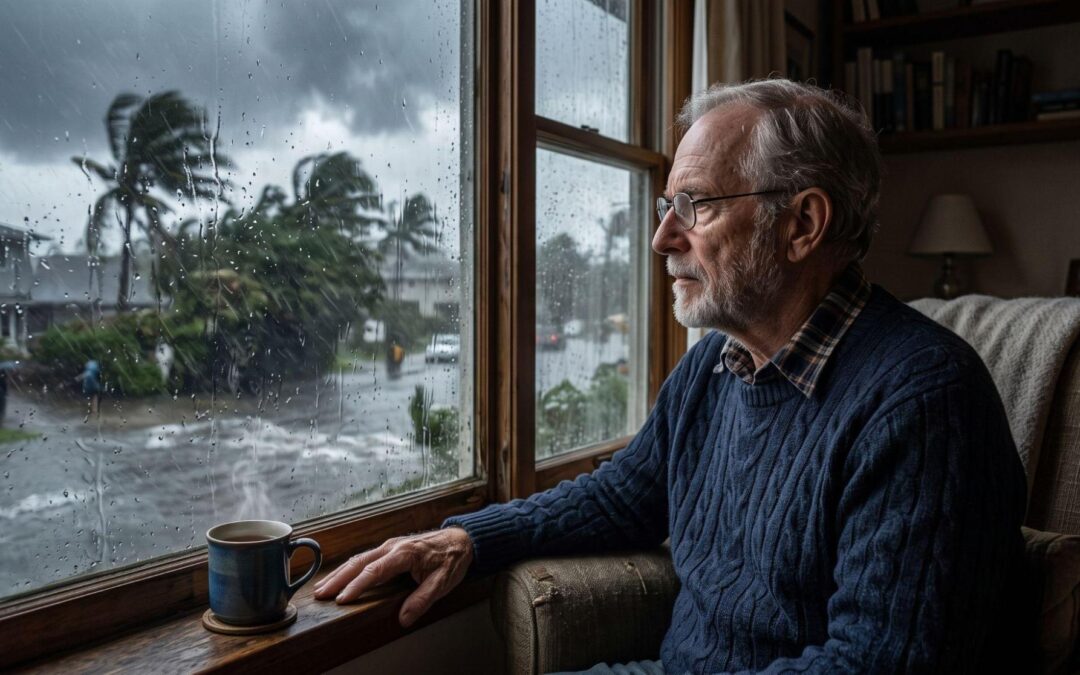
Hurricane preparedness in South Carolina can look different for a household that includes an aging parent or a veteran with limited mobility. A power outage that is a minor inconvenience for most families can mean a missed dose of medication, a failed oxygen concentrator, or a stressful scramble to arrange transportation before a storm arrives. For a family caring for an older loved one, hurricane preparedness means having a written plan for medication, backup power, and evacuation decisions in place before a storm watch is ever issued.
Families do not have to face storm season alone. RetireEase Senior Services can help older adults prepare for power outages, medication needs, and evacuation logistics through personal care, transportation, meal support, and other individualized assistance at home.
Why Hurricane Season Requires Extra Planning for Older Adults
A hurricane or tropical storm moving through South Carolina can bring extended power outages, blocked roads, and supply shortages that last for days. Most households can wait these out, but a household with an older adult often cannot, especially when refrigerated medication, mobility equipment, or a consistent daily routine is involved. Coastal communities face the added threat of storm surge and flooding, while inland areas in the Midlands and Upstate are still at risk of high winds, downed trees, and multi day power loss. The safest approach is to assess an older adult’s needs before a storm watch is issued, not after one.
Build a Medication and Medical Equipment Plan Before a Storm

A solid medication plan starts with a two week supply whenever a pharmacy or insurance plan allows it, along with a written list of every prescription and dosage. Some medications require refrigeration, so it is worth asking a pharmacist which ones need to stay cold and planning ahead with a cooler and ice or a small generator. The same backup power plan should cover any medical equipment an older adult relies on, including oxygen concentrators, CPAP machines, or powered mobility devices. Families can also register with South Carolina’s functional needs programs so first responders know in advance that extra assistance may be needed. This kind of senior hurricane checklist South Carolina families build ahead of time takes the guesswork out of a stressful week.
For ongoing help with daily medication routines, RetireEase Home Care offers personal care support year round.
Create an Evacuation and Shelter in Place Decision Plan
Not every storm requires evacuation, but every family should decide in advance what conditions would prompt them to leave, such as a mandatory evacuation order or the failure of medical equipment with no way to restore power. Families near the coast should also look up their hurricane evacuation zone through the South Carolina Emergency Management Division so they know their route before an order is issued. Part of a realistic emergency plan for elderly family members is thinking through transportation ahead of time, especially if an older adult no longer drives or has mobility limitations. A caregiver can also help with the physical process of evacuating, from packing essentials to loading mobility equipment, so the decision does not turn into a last minute scramble.
Talk About Extra Help Without Taking Over
Many older adults resist help preparing for a storm because it can feel like losing control over their own household. Families often have more success introducing assistance around one specific problem at a time, such as packing a medication bag, charging a phone, or checking that flashlights have working batteries, rather than proposing a full overhaul. Framing help this way keeps an older adult involved in the decisions rather than sidelined by them. When resistance goes beyond storm prep and becomes a pattern, our guide on what to do when a parent refuses home care help walks through ways to open that conversation.
Support a Consistent Routine for a Loved One With Memory Loss
A disrupted routine, an unfamiliar shelter, or a sudden change in surroundings can be especially difficult for someone living with Alzheimer’s or dementia. Keeping familiar items on hand, such as a favorite blanket, photographs, or a preferred snack, can ease anxiety if a family needs to shelter somewhere other than home. Maintaining as much of the normal routine as possible during a power outage also helps, including regular mealtimes and quiet periods. Families should plan for extra supervision during and immediately after a storm, when a loved one may be more confused than usual. Our guide to creating a calmer daily routine for a loved one with Alzheimer’s or dementia offers strategies that apply well beyond storm season.
What to Do After the Storm Passes
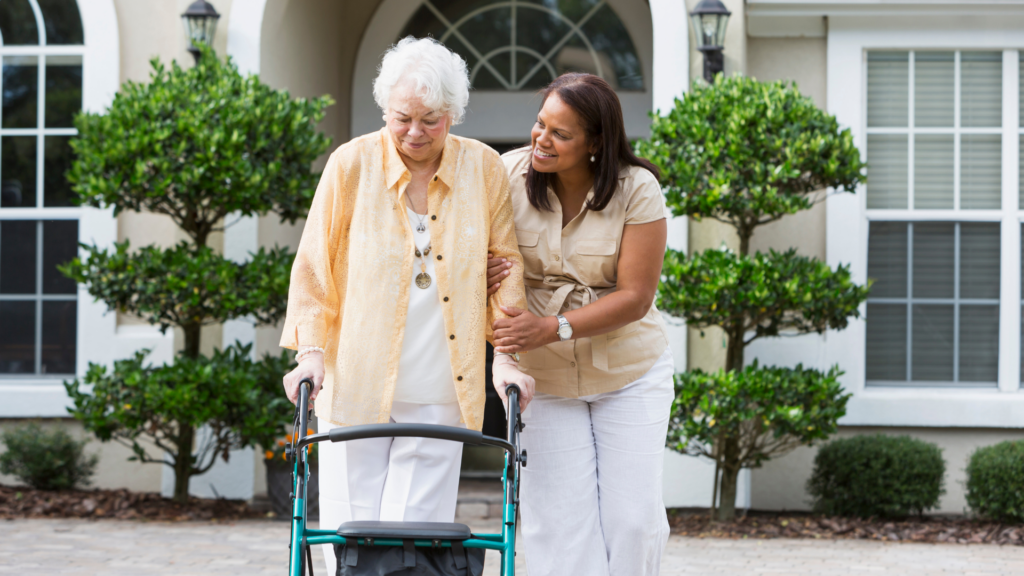
Recovery brings its own priorities. Families should check on an older loved one’s welfare as soon as it is safe to travel, restock supplies used during the outage, and arrange transportation if roads near their home are damaged or blocked. This is also the time to watch for signs that a hospital visit or additional care may be needed, particularly if medication schedules were disrupted or a fall occurred during the storm. A hospital-to-home care checklist can help families plan recovery support if a hospital stay does become necessary.
Hurricane Preparedness for Veterans and Military Families in South Carolina
South Carolina is home to a strong military community, with installations such as Shaw Air Force Base, Fort Jackson, Joint Base Charleston, and Marine Corps Air Station Beaufort, so many families across the state are also navigating hurricane preparedness for a veteran or an active duty household. The U.S. Department of Veterans Affairs publishes hurricane preparedness resources for veterans, and families are encouraged to review current VA benefits, including in-home care options, well ahead of storm season. Because eligibility and benefit details can change, families should direct specific questions to VA.gov rather than relying on secondhand information. Veterans’ Home Care outlines how home care support can fit into a veteran’s storm season plan.
Frequently Asked Questions About Hurricane Preparedness for Seniors in South Carolina
How far in advance should families start hurricane preparations?
Families should build a basic plan before hurricane season begins, then review it as a storm approaches. Waiting until a storm watch is issued can mean crowded stores, limited fuel, and less time to arrange transportation or backup power.
What should be in an emergency kit for an older adult?
A basic kit should include several days of water and non perishable food, a medication list with dosages, flashlights, a battery or hand crank radio, phone chargers, and copies of insurance and identification documents. Building this kit ahead of time is one of the simplest steps in any senior hurricane checklist.
Do seniors need to evacuate for every hurricane warning?
No. Evacuation needs depend on the storm, whether a home sits in a coastal evacuation zone, flooding risk, and an individual’s health needs. Families should decide in advance which conditions, such as a mandatory evacuation order, would prompt them to leave.
How can families keep an aging parent’s medication safe during a power outage?
Keep a list of medications and dosages, ask a pharmacist which ones need refrigeration, and plan ahead with a cooler and ice or a generator. A short term backup supply and a clear schedule help prevent missed or incorrect doses during an outage.
Can home care help during hurricane season?
Yes. A home caregiver can help with pre storm preparation, medication reminders, transportation to a safer location, and extra supervision during and after a storm, especially when family members cannot be present the entire time. This kind of home care during power outages South Carolina families arrange in advance can bring real peace of mind.

Make a Hurricane Plan Before the Next Storm Watch
Hurricane season does not have to mean scrambling once a storm is already in the forecast. A clear plan for medication, backup power, and evacuation gives families confidence and gives an older adult more control over what happens next.
Families can explore local support through RetireEase Senior Services and learn more about in-home care options. A personalized care plan can focus on the specific areas your loved one needs, from medication management and transportation to companionship, personal care, and consistent routines during storm season.