

Care for Alzheimer’s often begins with questions rather than answers. A parent may repeat conversations, struggle with familiar tasks, show changes in judgment, or become less confident managing everyday responsibilities.
These changes deserve attention, but they don’t automatically confirm Alzheimer’s disease. Alzheimer’s disease is a progressive brain disorder that gradually affects memory, thinking, behavior, and the ability to carry out everyday activities.
Alzheimer’s disease involves more than occasional forgetfulness, and learning what to watch for is a useful first step. RetireEase’s guide to the early signs of dementia in men can help families recognize patterns worth discussing with a qualified healthcare professional.
Here’s a quick summary of the seven things Midlands families should know.
| What Families Should Know | Why It Matters | What to Do Next |
|---|---|---|
| 1. Alzheimer’s is more than normal forgetfulness | Changes that disrupt daily life differ from occasional memory lapses | Note specific patterns and when they started |
| 2. Memory changes should be evaluated | Many conditions can affect memory and thinking | Schedule a visit with a healthcare professional |
| 3. Alzheimer’s changes over time | Needs evolve differently for each person | Plan around the individual, not a timetable |
| 4. Meaningful activities still matter | Purpose and enjoyment support quality of life | Build familiar activities into each day |
| 5. Caregivers need support too | Caregiving demands often grow over time | Share responsibilities and arrange respite |
| 6. Home care can preserve routines | Nonmedical help supports life at home | Explore Alzheimer’s home care options |
| 7. Plan before needs become urgent | Early planning creates more options | Discuss wishes, legal, and financial matters |
1. Alzheimer’s Is More Than Normal Age-Related Forgetfulness
Everyone forgets things sometimes. Misplacing keys, briefly blanking on a name, or walking into a room and forgetting why can all happen with normal aging. Alzheimer’s is different. It involves progressive changes in memory, thinking, and judgment that begin to interfere with everyday life.
Families often notice the first patterns during ordinary moments. A loved one may repeatedly ask the same questions, get lost on a familiar route, or have trouble managing bills that were once routine. Others struggle to complete familiar tasks, grow increasingly confused about time or place, or misplace objects in unusual locations.
Changes in judgment, mood, personality, or initiative can also be worth discussing with a healthcare professional. Symptoms vary from person to person, and no single sign proves that someone has Alzheimer’s disease. The comparison below offers general guidance, not a diagnostic tool.
| Often Part of Normal Aging | Changes Worth Discussing With a Doctor |
|---|---|
| Forgetting a name and remembering it later | Repeatedly asking the same questions |
| Making an occasional error with a bill | Ongoing difficulty managing bills |
| Needing directions to a new place | Getting lost in familiar places |
| Briefly losing track of the date | Increasing confusion about time or place |
| Misplacing glasses now and then | Putting objects in unusual places |
| Feeling tired of some obligations | Noticeable changes in mood, personality, or initiative |
| Making a questionable choice once in a while | Consistent changes in judgment |
2. Memory Changes Should Be Evaluated, Not Self-Diagnosed
When a parent or spouse shows signs of memory loss, it’s natural to search online for answers. A checklist can help families organize their observations, but it can’t diagnose Alzheimer’s disease. Only qualified healthcare professionals can make that determination.
A medical evaluation matters because cognitive symptoms can have many causes. According to the National Institute on Aging, an evaluation may include a review of medical history, information from family members, a medication review, memory and thinking tests, laboratory testing, and brain imaging when appropriate.
Sleep disorders, medication effects, infections, depression, stroke, and other medical issues can sometimes contribute to memory or thinking problems. Some of these causes can be treated, which is one more reason not to assume the worst or wait too long.
Families who want to understand what to watch for can review RetireEase’s overview of Early Signs of Dementia in Men before an appointment. Writing down specific examples, including when changes started and how often they happen, can help the doctor get a clearer picture.
3. Alzheimer’s Changes Over Time, but Every Person Is Different
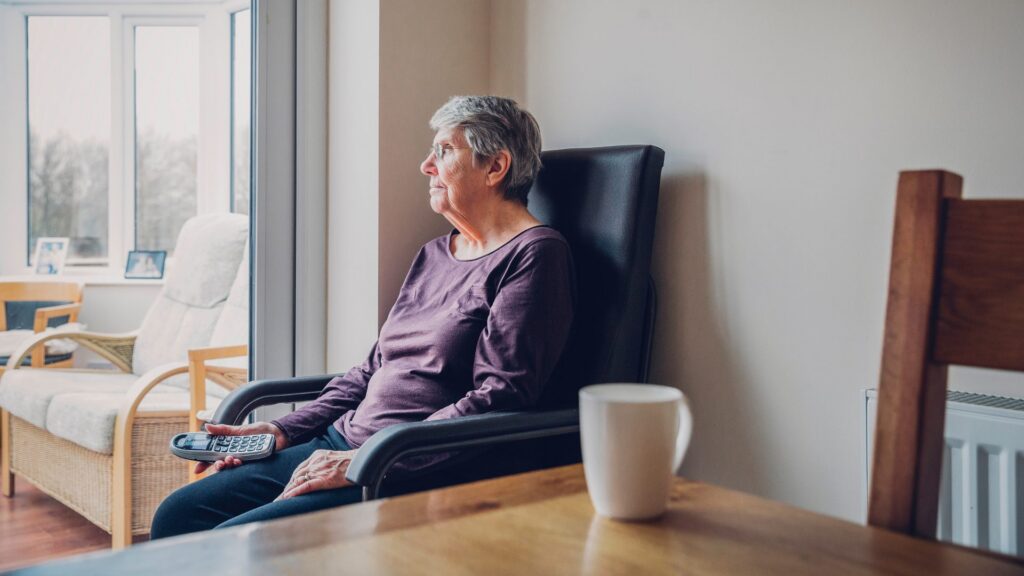
Alzheimer’s is progressive, which means changes continue over time. Still, families shouldn’t assume that every person will experience the same symptoms on the same schedule. Stages can be a helpful reference, but they aren’t a rigid timetable.
In the early period, support may be light. A person living with Alzheimer’s may benefit from help with transportation, appointment reminders, meal preparation, companionship, and keeping the household organized.
As needs change, assistance may expand to include help with bathing and dressing, more structured daily routines, mobility assistance, supervision, and overnight support. Family caregivers often need greater relief during this period as well.
The best approach is to plan around the individual. Their abilities, personality, preferences, and home environment should guide decisions about dementia care in Columbia, SC, rather than a general chart of what’s supposed to happen next.
4. Meaningful Activities Still Matter
An Alzheimer’s diagnosis doesn’t eliminate a person’s need for enjoyment, purpose, companionship, and involvement in everyday life. Familiar activities can help a person stay connected to the people and routines that matter most to them.
Simple options often work best. Listening to familiar music, looking through photographs, gardening, walking, or watching birds from a favorite window can bring comfort. Many people also enjoy helping with household tasks such as folding towels or preparing food, along with simple crafts, simple games, and familiar faith or community activities.
For more ideas, RetireEase shares its Top 10 Engaging Hobbies for Seniors with Alzheimer’s. These activities can support engagement and quality of life, but they aren’t a cure and shouldn’t be viewed as a guaranteed way to stop the disease from progressing.
5. Supporting the Family Caregiver Is Part of Alzheimer’s Care
Alzheimer’s caregiving can become more demanding as needs increase. The National Institute on Aging advises caregivers to build support systems and seek assistance when they need it, rather than carrying every responsibility alone.
A practical starting point is a family conversation about roles. Who handles medical appointments? Who provides meals and manages transportation? Who helps with bathing or dressing, and who responds if something happens at night?
It also helps to ask who can provide respite and what happens if the primary caregiver becomes ill. Clear answers reduce stress and prevent one person from quietly taking on too much.
Professional Alzheimer’s caregiver support doesn’t replace family involvement. Instead, it supplements what loved ones already provide, giving caregivers time to rest, work, and look after their own health.
6. Home Care Can Help Preserve Familiar Routines

For many families, staying at home is an important goal. Nonmedical Alzheimer’s home care in Columbia, SC can help a person living with Alzheimer’s keep familiar routines in a familiar setting for as long as it remains safe and practical.
Caregivers can assist with personal care, meal preparation, medication reminders, companionship, transportation, and light housekeeping. They can also support daily routines, encourage social engagement, and offer respite for family caregivers who need a break.
RetireEase’s Alzheimer’s Home Care services are built around these everyday needs, and families can also explore Dementia Home Care as support needs evolve. Home caregivers do not diagnose Alzheimer’s or replace physicians, nurses, therapists, or other medical professionals.
7. Families Should Plan Before Care Needs Become Urgent
Planning ahead is one of the most helpful things a family can do. Ideally, these conversations happen while the person living with Alzheimer’s can still participate and share their wishes.
Topics may include preferred living arrangements, transportation, home care, and family caregiver roles. Families should also discuss financial planning, legal documents, healthcare decision making, safety concerns, respite care, veterans benefits, and long term support.
Early planning doesn’t mean immediately increasing care. It simply gives the family more options and reduces the chance of rushed decisions later. Families in Columbia, Lexington, Irmo, West Columbia, and across the Midlands benefit from knowing what local support exists before they need it.
Alzheimer’s Awareness for Veterans and Military Families
Veterans living with dementia may qualify for certain VA health, home and community based, caregiver, or pension related programs. Eligibility depends on individual factors such as enrollment, military service, health needs, and financial requirements.
An Alzheimer’s diagnosis doesn’t automatically make a veteran eligible for a particular benefit, and VA programs won’t necessarily pay the full cost of care. Families should confirm current eligibility directly through VA.gov.
RetireEase also provides Veterans’ Home Care for military families in the Columbia area who want support at home while they explore these options.
Frequently Asked Questions About Alzheimer’s Disease and Home Care
What are the early signs of Alzheimer’s disease?
Early changes may include memory loss that interferes with everyday life, repeated questions, difficulty completing familiar tasks, problems managing money, poor judgment, getting lost, trouble finding words, or changes in mood and personality. One symptom alone doesn’t confirm Alzheimer’s, so concerning changes should be discussed with a healthcare professional.
Is forgetfulness always a sign of Alzheimer’s disease?
No. Occasional forgetfulness can occur with normal aging, stress, poor sleep, medications, illness, depression, and other conditions. Alzheimer’s involves progressive cognitive changes that increasingly affect everyday functioning. Families noticing persistent or worsening changes should seek medical evaluation rather than assuming that memory loss is either normal aging or Alzheimer’s disease.
How is Alzheimer’s disease diagnosed?
Doctors may review medical history, medications, daily functioning, behavioral changes, and information from family members. Evaluation can also include memory and thinking tests, laboratory tests, mental health assessment, brain imaging, or biomarker testing when appropriate. No single online symptom checklist should be used to diagnose Alzheimer’s disease.
Can someone with Alzheimer’s continue living at home?
Many people with Alzheimer’s remain at home for part or much of the disease, depending on their abilities, safety, health, available family support, and access to care. In-home assistance can support personal care, meals, routines, companionship, transportation, and supervision as needs change over time.
When should a family consider Alzheimer’s home care?
Home care may help when everyday tasks such as bathing, dressing, meals, transportation, housekeeping, medication routines, companionship, or staying safely alone become difficult. Families may also seek care when caregiving responsibilities exceed what one person can sustainably manage. For families exploring Alzheimer’s care in Columbia, SC, support can start gradually and increase when needs change.
Can veterans with Alzheimer’s receive VA home care support?
Some eligible veterans may qualify for VA home and community-based services, caregiver programs, or pension related benefits depending on enrollment, military service, health needs, financial requirements, and the specific program. Families should verify current eligibility directly through VA.gov instead of assuming an Alzheimer’s diagnosis automatically qualifies someone for funded care.

Awareness Should Lead to Understanding and a Plan
Alzheimer’s awareness matters because families are better prepared when they understand what changes deserve attention, where to seek medical evaluation, and how daily support can evolve over time.
A diagnosis doesn’t erase the person behind it. Familiar routines, meaningful activities, relationships, choices, and dignity remain important throughout the care journey, and thoughtful Alzheimer’s care in Columbia, SC keeps those priorities at the center.
Families can learn more about specialized Alzheimer’s Home Care or explore local Home Care in Columbia, SC. RetireEase can help build a personalized nonmedical care plan around the individual’s current routines, abilities, personality, and family support needs.
References
National Institute on Aging, What Are the Signs of Alzheimer’s Disease?
National Institute on Aging, How Is Alzheimer’s Disease Diagnosed?
National Institute on Aging, Alzheimer’s Disease Fact Sheet
National Institute on Aging, Alzheimer’s Caregiving
National Institute on Aging, Getting Help With Alzheimer’s Caregiving
U.S. Department of Veterans Affairs, Alzheimer’s and Dementia Care
U.S. Department of Veterans Affairs, Home and Community Based Services