

With the year nearly at an end, October gives families an opportunity to pause and look at what’s changed during the year. It’s a good time to decide whether the current care arrangement for their loved one still works. If your loved one served, veterans home care could help them remain in familiar surroundings while receiving support with everyday routines.
Veterans home care provides assistance with everyday activities so an older veteran can continue living at home as independently as possible. For families around Sumter and Shaw Air Force Base, RetireEase Sumter Senior Services provides local in-home support designed around each senior’s needs, schedule, and family situation.
Why October Is a Good Time to Review an Aging Veteran’s Care Plan
October sits in a helpful spot on the calendar. Summer schedules have settled, but Thanksgiving travel, family gatherings, Christmas plans, and year-end responsibilities haven’t yet taken over.
That breathing room matters. When families review care now, they have time to talk, compare options, and make thoughtful decisions instead of reacting to a fall, a hospital stay, or a caregiver who is suddenly unavailable.
Planning early also keeps the veteran at the center of the conversation. A veteran who helps shape the plan is more likely to feel respected and comfortable with the support that follows.
Look at What Has Changed Since the Beginning of the Year
Think back to January and compare it with today. Changes often happen gradually, so it helps to look at daily life one area at a time.
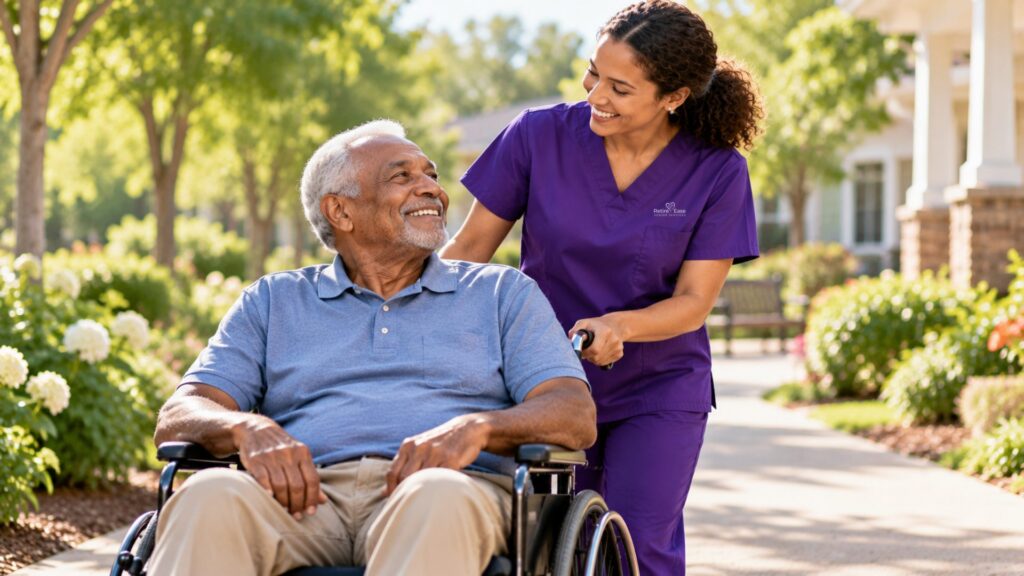
Start with personal care. Is bathing, dressing, grooming, or toileting taking longer or requiring help? Then consider mobility, including walking, transfers from a bed or chair, and getting around the home safely.
Look at household routines next: grocery shopping, meal preparation, laundry, and light housekeeping. Next, evaluate transportation to appointments and errands, and whether medication reminders have become necessary.
Finally, pay attention to the less visible areas of life. Has your loved one become more isolated or less interested in social activity? Have you noticed memory or behavioral changes? How often do relatives now need to visit or call just to keep things running?
One small change isn’t always cause for concern. Several small changes across different areas, however, may signal that an informal family arrangement needs additional support.
Ask Whether Family Caregiving Is Still Sustainable
Many veteran families take on more responsibility a little at a time. A weekly grocery run becomes daily check-ins, then rides to every appointment, then help getting in and out of the shower. Few people notice how much the workload has grown until they’re worn out.
Take an honest look at the signs. Are family caregivers missing work, losing sleep, or making frequent trips across Sumter County for appointments? Is someone providing physical assistance they were never trained for? Has it become difficult for anyone to take a day away?
Asking for help doesn’t mean abandoning a veteran. Professional care can supplement what family members already provide and allow relatives to spend more time as spouses, sons, daughters, and grandchildren instead of handling every caregiving task.
How Respite Care Can Support Veterans and Their Caregivers
The VA describes respite care as temporary care that gives a family caregiver time to rest, run errands, attend appointments, or spend time away from caregiving duties.
Depending on eligibility and local availability, VA respite care for veterans may take place in the home, through adult day health care, or in another approved setting.
It’s important to understand the limits. VA enrollment alone doesn’t guarantee every form of respite. Clinical criteria, community care eligibility, service availability, and possible copays may all apply.
For individualized eligibility information, families should review the VA’s respite care page on VA.gov and speak with the veteran’s VA care team.
Build an Aging-in-Place Plan Around the Veteran’s Priorities
Successful aging in place starts with what matters most to the veteran. That might be coffee on the porch at a certain hour, favorite meals, church on Sunday, time with friends in the community, or a hobby in the garage.
A good plan protects those routines. It also considers preferred wake and sleep schedules, transportation needs, and which household tasks the veteran wants to keep doing independently.
The National Institute on Aging encourages older adults and families to plan for aging in place before extensive care is required, while there’s still time to weigh options calmly.
Local home care in Sumter, SC can then fill in around those priorities, with assistance for personal care, meals, companionship, transportation, medication reminders, and household routines. Aging veterans home care works best when it supports the life a veteran already enjoys rather than replacing it.
Consider Extra Support Before Holiday Travel Begins
Here’s a common October scenario:

An adult daughter who checks on her father every day plans to travel for Thanksgiving. A son who handles Saturday errands has holiday shifts at work. Meanwhile, healthcare offices and community services may run on different schedules around the holidays.
Without a backup plan, those gaps can leave a veteran alone for longer stretches than usual. Before November, identify backup caregivers, transportation options, emergency contacts, meals, medication routines, and a clear check-in schedule.
If your loved one is recovering from a hospitalization or recent medical treatment, the Hospital-to-Home Care Checklist for Sumter Families is a helpful additional planning resource.
Talk With a Veteran About Home Care Without Taking Away Control
Veterans who have valued independence throughout their lives may resist the idea of accepting help at first. That reaction is understandable, and it deserves respect.
Instead of presenting home care as a complete loss of independence, begin with specific needs. A few rides to appointments, help with meals, a hand with housekeeping, or a few hours of companionship each week can feel far more manageable than a broad conversation about needing care.
Let your loved one make choices about schedules, tasks, and preferences whenever possible. If conversations become difficult, our guide on When Your Parent Refuses Home Care Help in Sumter, SC offers strategies families can use.
Explore VA Support Alongside Local Veterans Home Care
The VA offers several home and community based services that may support eligible veterans at home. These include Homemaker and Home Health Aide services, respite care, Veteran-Directed Care in participating locations, and Home Based Primary Care for qualifying veterans.
Some veterans and surviving spouses may also qualify for pension benefits such as Aid and Attendance, which can help with care costs when service, financial, and care requirements are met.
Private non-medical home care and VA-authorized care aren’t the same thing, and many families looking for senior care for veterans in Sumter, SC use both. The Department of Veterans Affairs makes all final decisions about VA program eligibility and authorization.
For local assistance understanding how in-home support can fit alongside VA resources, visit RetireEase Veterans’ Home Care.
Frequently Asked Questions About Veterans Home Care in Sumter
What does veterans home care include?
Veterans home care in Sumter, SC can include non-medical assistance with bathing, dressing, grooming, meal preparation, medication reminders, light housekeeping, transportation, companionship, mobility, errands, and other daily routines. Services should be personalized around the veteran’s abilities and preferences, with medical care continuing through appropriate healthcare providers.
When should an aging veteran start home care?
Home care can begin when everyday tasks are becoming harder, even if the veteran is still largely independent. Families may notice difficulty with meals, transportation, personal care, housekeeping, mobility, medication routines, or spending long periods alone. Beginning with limited support can help preserve independence while addressing specific needs.
Does the VA provide respite care for family caregivers?
The VA may provide respite care for enrolled veterans who meet clinical criteria and other applicable eligibility requirements. Depending on local availability, respite can include care in the veteran’s home, adult day health care, or temporary facility-based care. Families should confirm eligibility, availability, and potential copays directly with the VA.
Can veterans receive care while continuing to live at home?
Yes. Many home and community-based services are designed to help eligible veterans remain in their own homes while receiving appropriate assistance. Non-medical home care can also support personal routines, meals, transportation, companionship, and household tasks. The appropriate level of support depends on the veteran’s individual health, safety, and daily needs.
How does home care help the family caregiver?
Professional home care can take over selected daily responsibilities so family caregivers have time for work, appointments, rest, other family members, and their own health. Support can range from a few scheduled hours to more frequent assistance, depending on the veteran’s needs and the family’s existing caregiving arrangement.
Can a surviving spouse qualify for VA-related support?
Some surviving spouses may qualify for VA benefits, including survivor pension with Aid and Attendance, when applicable service, marriage, financial, and care requirements are met. Eligibility differs by program and individual circumstances. Families should verify current requirements directly through VA.gov before assuming that a particular benefit will cover home care.

Put Dependable Support in Place Before the Holidays
October is a chance to plan with intention rather than urgency. By reviewing daily needs, taking an honest look at caregiver workload, and exploring respite and VA resources, families can help an aging veteran stay safe and comfortable at home through the busiest months of the year.
Consistent routines matter for every veteran, especially those living with memory changes. Our article on how to create a calmer daily routine for a loved one with Alzheimer’s or dementia shares ideas families can put to use right away.
When you’re ready to explore veterans home care in Sumter, SC, connect with RetireEase Sumter Senior Services or learn more about our Veterans’ Home Care services. A conversation this month can help your family put dependable support in place before the holidays arrive.